Superior Senior Care Services: Compassionate Support for Aging Loved Ones
Quality senior care options serve as an vital role in supporting aging loved ones. They deliver tailored care plans that center on specific needs and cultivate emotional bonds. This strategy not only improves health and dignity but also lessens isolation. Relatives often want peace of mind that their family members obtain caring care. As they review the available options, several important factors prove significant. Learning about these can profoundly influence the decision-making journey.
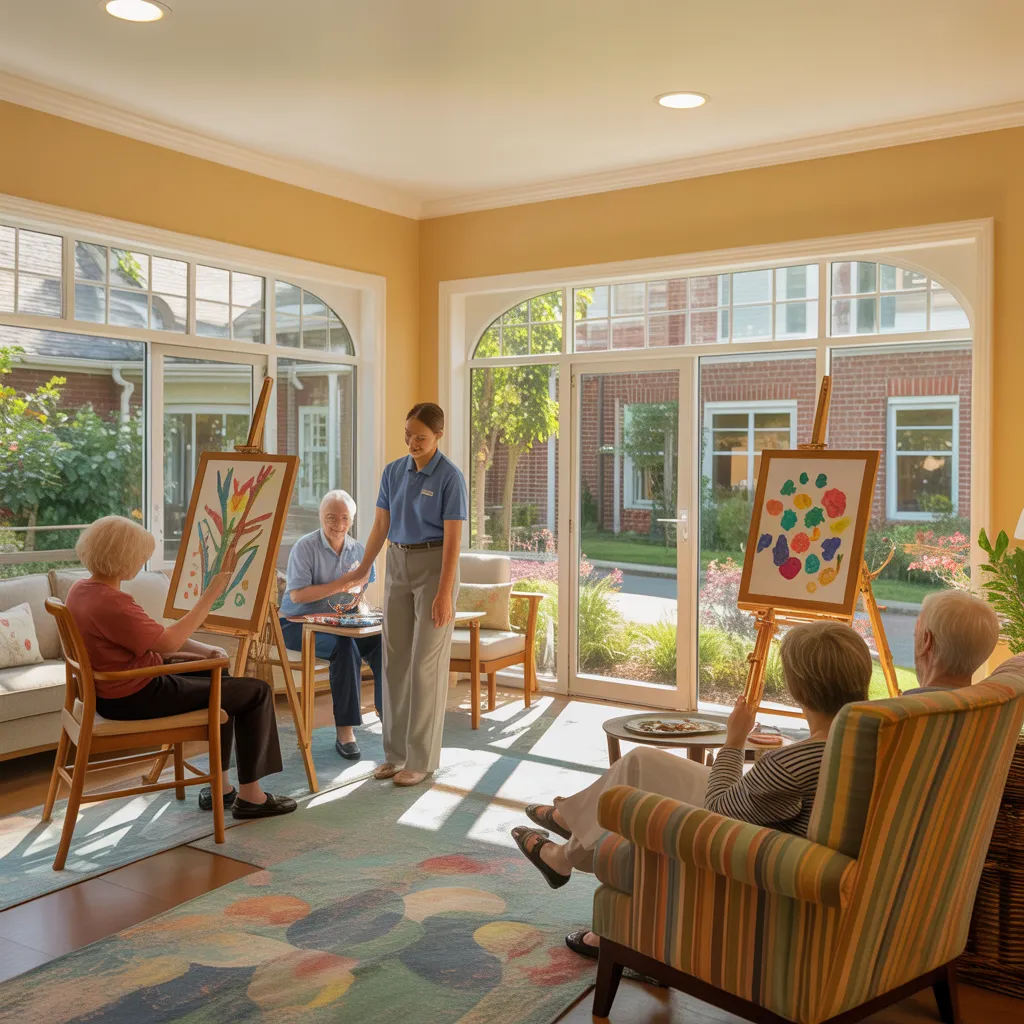
Why Outstanding Care for the Elderly Proves Vital for Your Loved Ones
Quality elderly care is essential for making sure that elderly individuals maintain their dignity, health, and overall well-being. As people age, they often face physical and cognitive changes that can diminish their independence. Access to quality care helps overcome these challenges, rendering support customized to individual needs. This care not only assists with daily activities but also nurtures emotional connections, reducing feelings of isolation and loneliness that many seniors face.
In addition, quality senior care improves health through regular medical supervision, prompt care, and individualized wellness strategies. Such facilities encourage interpersonal interaction and intellectual stimulation, leading to a enhanced quality of life. Families can achieve peace of mind knowing their family members are receiving caring support, which is critical during this fragile life stage. Investing in quality senior care ultimately benefits not just the aging population but also their families, reinforcing bonds and ensuring a reliable support system.
Essential Characteristics to Look for in Senior Care Services
Selecting senior care programs shows that key features greatly influence the caliber of care provided. Personalized care strategies guarantee that each person's particular needs are addressed, while trained care professionals and staff foster a safe and caring environment. These essential elements construct the bedrock for empathetic and successful senior care.
Individualized Care Plans
Bespoke care plans are vital for confirming that older individuals receive tailored support that meets their distinctive preferences. These plans should originate with a complete assessment of the person's health, preferences, and lifestyle. Aspects such as medical history, social activities, and emotional well-being must be considered to create an effective methodology. Responsiveness is critical; as older adults' needs evolve, their support frameworks should be periodically reviewed and fine-tuned. Moreover, collaboration between family members and support professionals enhances the approach's potency, promoting a integrated structure. Picking elderly care services that focus upon individualized care plans guarantees that elderly loved ones receive the concentrated attention they desire, cultivating dignity and quality of life in their advanced years.
Qualified Caregivers and Staff
Experienced caregivers and staff play a critical role in delivering excellent senior care services. Their competence guarantees not only the safety and well-being of elderly individuals but also enriches their daily living. It is essential to hire caregivers certified in first aid, CPR, and specialized elderly care techniques. Empathy, patience, and robust communication skills are similarly important traits that foster trust and comfort for seniors. Additionally, ongoing training in modern care practices enables staff to stay updated on best practices. The presence of a supportive team environment among caregivers is crucial as it nurtures collaboration and consistent care. Ultimately, well-trained staff significantly contribute to a positive and nurturing atmosphere for aging loved ones.
How to Select the Right Senior Care Provider for Your Family Member?
What approach can families take to ensure they choose the most appropriate elderly care provider for their loved ones? To begin, they should evaluate the individual needs of their loved ones, considering factors such as health conditions, physical capability, and personal preferences. Researching various care options—ranging from in-home care to assisted living communities—is vital. Households should emphasize facilities with well-trained staff, favorable feedback, and appropriate licensing.
Tour prospective care services to evaluate the environment and observe communications between nursing staff and occupants. Inquiring about specific concerns regarding worker-to-resident numbers, emergency protocols, and provided programs can offer important details. Moreover, loved ones should consider the area, as nearness can affect visitation and support.
Conclusively, allocating resources for care is required; understanding pricing and financial options can help facilitate deciding appropriately. By carrying out these steps, families can validate they pinpoint an appropriate elderly care provider that corresponds with their loved one's unique needs and circumstances.
Friendship and Its Impact in Caring for Seniors
Companionship holds an important role in strengthening the overall well-being for seniors in care settings. Relationship bonds considerably shape psychological wellness, supplying seniors with a connection to community and fulfillment. When individuals participate in purposeful social engagement and events, they experience diminished feelings of loneliness and depression.
Additionally, social connection supports cognitive stimulation, inspiring seniors to share tales and recollections, which can boost memory and cognitive function. Caregivers who offer friendship often help seniors maintain their autonomy by motivating participation in activities that support physical health and social interaction.
Furthermore, having a companion can ease the shift into care settings, rendering the environment feel more inviting. This emotional support can be vital during difficult periods, assisting seniors navigate feelings of loss or change. Ultimately, companionship is not just a indulgence; it is a essential element of comprehensive elderly wellness that cultivates both the mental and spiritual dimensions.
Understanding Elderly Care Costs
The comfort provided by company in senior care settings is often accompanied by a significant financial consideration: the costs associated with senior care services. These expenses can fluctuate greatly based on elements such as the kind of care required, geographic location, and the extent of services offered. In-home care, assisted living, and nursing homes present different pricing structures, with in-home care typically being less expensive than institutional settings.
Furthermore, the price may reflect the qualifications of caregivers, the complexity of care required, and the amenities offered. Families must also account for concealed expenses, such as travel and supplies. Understanding these financial aspects is crucial for families planning long-term care for their loved ones. By gaining clarity on the potential expenses, families can make informed decisions that align with their budget and care needs, guaranteeing their family members get the required assistance.
Steps to Verify Senior Care Providers Qualifications
When picking a older adult care provider, it is important to confirm their qualifications to guarantee excellent service. This includes checking licensure standards, evaluating their background and training, and confirming their insurance coverage. Each of these elements contributes to a comprehensive grasp of the provider's qualifications and reliability.
Review License Obligations
Several families seeking elderly care options stress checking the credentials of potential providers. A vital step in this procedure is checking the licensing requirements relevant to the state or region. Each state has its own regulations governing senior care facilities and in-home care providers, making sure they fulfill certain criteria of care and safety. Families should reach out to their state's health department or health department to confirm that the organization holds the required licenses and certifications. Additionally, it is important to verify if there have been any issues or corrective measures against the provider. This diligence helps families make informed selections, guaranteeing their loved ones get care from qualified and law-abiding professionals.
Analyze Track Record and Training
Once licensing standards have been verified, families should focus on reviewing the training and preparation of senior care providers. It is vital to ask about the provider’s credentials, including duration of work and specific areas of expertise. Families may request references or comments from previous clients to gain insights into the provider's reliability and quality of care. Moreover, reviewing educational credentials and any specialized training, such as certifications in geriatric care, can further confirm the provider is well-equipped to handle the specific requirements of seniors. Participating in conversations about ongoing training or professional development can also highlight the provider's focus on keeping top quality in senior care. This thorough assessment helps families make well-informed choices.
Verify Insurance Coverage
How can households ensure that their chosen senior care agency is adequately protected? Confirming insurance coverage is essential in this procedure. Families should request proof of insurance from prospective providers to confirm they have adequate liability coverage. This includes general liability and professional liability insurance, which safeguards against claims related to negligence or negligence. Additionally, families should confirm that the provider's insurance is current and not expired. It's recommended to ask for details concerning the policy limits and coverage specifics. Moreover, verifying for any state licensing requirements can provide another layer of security. By thoroughly verifying these credentials, families can make well-reasoned choices and ensure their aging loved ones receive the care they deserve in a safe environment.
Supporting Personal Agency and Pride in Senior Caregiving
Supportive settings that encourage mobility and accessibility are essential. Modifications in living spaces, such as safety bars and wheelchair ramps, can greatly improve safety while enabling seniors to maintain command over their environment. Additionally, building social connections through community activities can combat isolation, further promoting respect.
Preparing support staff to approach seniors with regard and insight is essential. By appreciating the importance of preserving autonomy, caregivers can help seniors progress through their daily lives with certainty. Ultimately, a compassionate overview and individualized approach to aged care can notably strengthen both independence and dignity for senior family members.
Common Questions That Are Asked
What Are the Red Flags Your Loved One Requires Senior Care?
Signs that a loved one needs elderly care include noticeable memory loss, difficulty with daily activities, shifts in demeanor or emotional state, deterioration in physical health, and increased isolation. Noticing such signs can encourage necessary support and intervention.
How Can Technology Enhance Senior Care Services?
Technology can strengthen senior care services by facilitating remote monitoring, improving dialogue with healthcare practitioners, enabling availability to virtual health services, and supplying solutions for medication administration, thereby guaranteeing seniors receive timely and efficient care customized to their requirements.
Which Classes of Undertakings Advance Mental Health in Seniors?
Taking part in endeavors including puzzles, reading, gardening, and social interactions can markedly improve mental health in seniors. These pursuits activate cognitive abilities, advance emotional wellness, and foster connections, ultimately elevating their overall quality of life.
What Specialized Resources Are Available for Seniors With Dementia?
Yes, expert care programs for seniors with dementia incorporate memory care facilities, tailored therapeutic strategies, and trained caregivers who facilitate scheduled activities, maintaining safety while supporting mental involvement and social wellness personalized to individual needs.
How Can Families Support Senior Care Providers?
Families can back senior care providers by preserving open communication, extending assistance with logistics, delivering feedback, and conveying appreciation. This joint method fosters a constructive setting, improving care quality for seniors in need.